
Mold Removal Tips
Essential Steps for Mold Remediation After a Spring Storm in Tarrant County
Published 2026-09-08 · By Brandon Hayes, Fort Worth Mold Removal
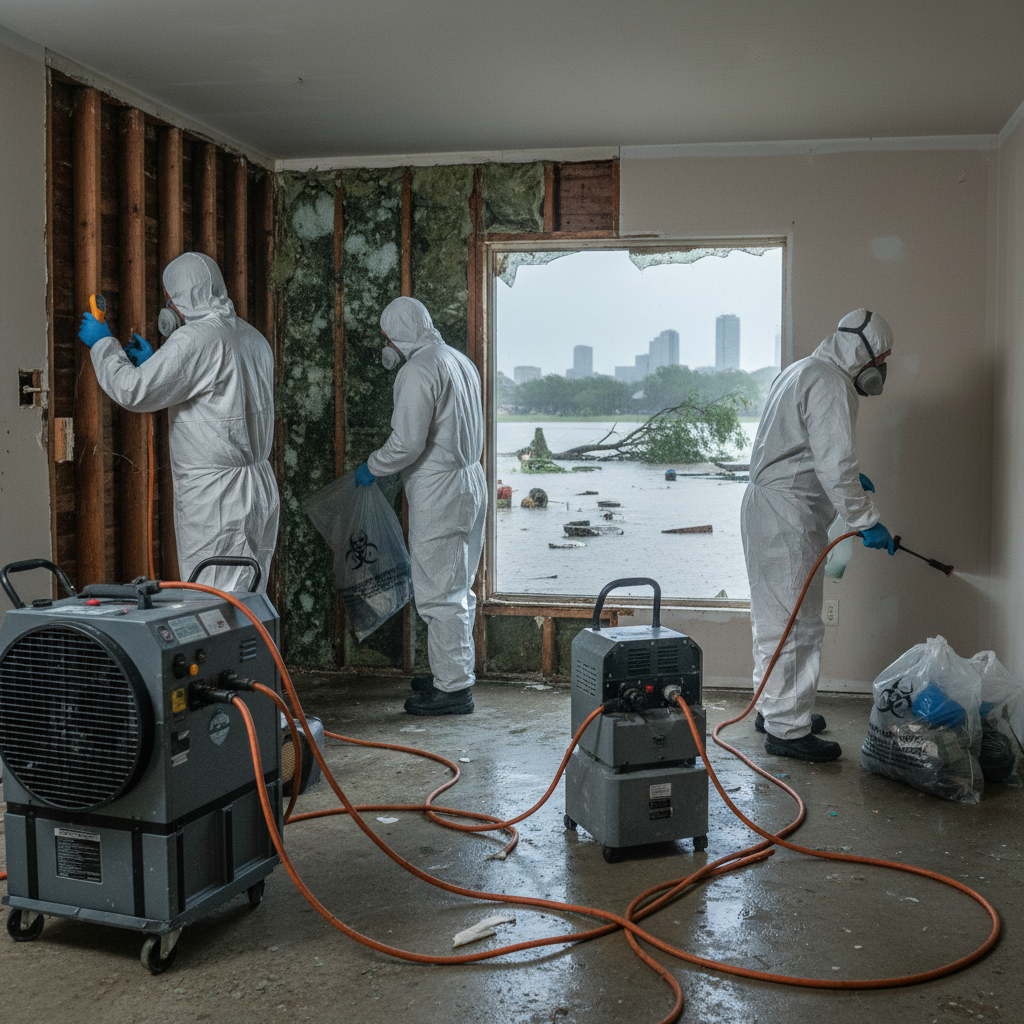
Fort Worth spring storms often bring heavy rainfall, leading to conditions that promote mold growth in homes across neighborhoods like Sundance Square and the Cultural District. When water accumulates due to flooding or leaks, mold can start to develop within 24 to 48 hours. Addressing mold issues promptly is essential for maintaining a healthy living environment.
As a licensed & insured mold removal expert, I understand the unique challenges that residents in Tarrant County face after severe weather. Our region's humid subtropical climate combined with structural vulnerabilities, such as older homes in Downtown Fort Worth, can exacerbate mold concerns. Here are the essential steps you should follow for effective mold remediation.
Step 1: Assess the Damage and Identify Mold Growth
Begin by inspecting your property, focusing on areas prone to moisture accumulation. Common places include basements, attics, and areas near leaks or windows. Look for visible signs of mold, such as black spots or discolored surfaces. Utilize proper personal protective equipment (PPE) to ensure safety during your assessment. If you're uncertain about the extent of mold growth, consider scheduling a mold inspection to get a professional evaluation.
Step 2: Remove Affected Materials
Once you've identified the mold growth, the next step is to remove any affected materials. In many cases, drywall, carpeting, and insulation may need disposal. Be prepared to dispose of items that are severely infested, as attempting to clean them may spread spores. This is particularly relevant in neighborhoods like Near Southside, where tight housing can lead to shared airspaces. Ensure to seal disposed materials in plastic bags to avoid contaminating other areas. In some cases, removal costs may range from $500 to $1,500 depending on the extent of the damage.
Step 3: Clean and Restore
After removing contaminated materials, you’ll need to thoroughly clean the area. Use a mixture of water and detergent to scrub surfaces. For persistent mold, a solution of 1 cup of bleach to 1 gallon of water can be effective, as long as appropriate safety measures are taken. Pay close attention to HVAC systems, as they can circulate spores throughout your home. Consider hiring professionals for specialized mold remediation services to ensure complete restoration of your property. Don't forget to check places like the Fort Worth Botanic Garden for landscaping changes that could affect nearby homes' drainage.
Step 4: Prevent Future Growth
Once the cleaning process is complete, it’s time to implement preventive measures. Addressing any leaks or plumbing problems is critical—common in Fort Worth's older housing stock. Use dehumidifiers to maintain indoor humidity levels below 60% and ensure proper ventilation in moisture-prone areas like bathrooms. This proactive approach will help mitigate mold risks, especially with the high humidity during Fort Worth's hot summers. Regular inspections and maintenance work can save you from costly mold repairs in the future.
As the owner of Fort Worth Mold Removal, I'm committed to helping the community combat mold issues effectively. If you suspect mold in your home after a storm, feel free to reach out for expert assistance. Remember, the sooner you act, the better your chances of preventing significant health and structural risks.