
Mold Removal Tips
Identifying Mold in Older Homes: What Fort Worth Homeowners Should Know
Published 2026-09-08 · By Brandon Hayes, Fort Worth Mold Removal
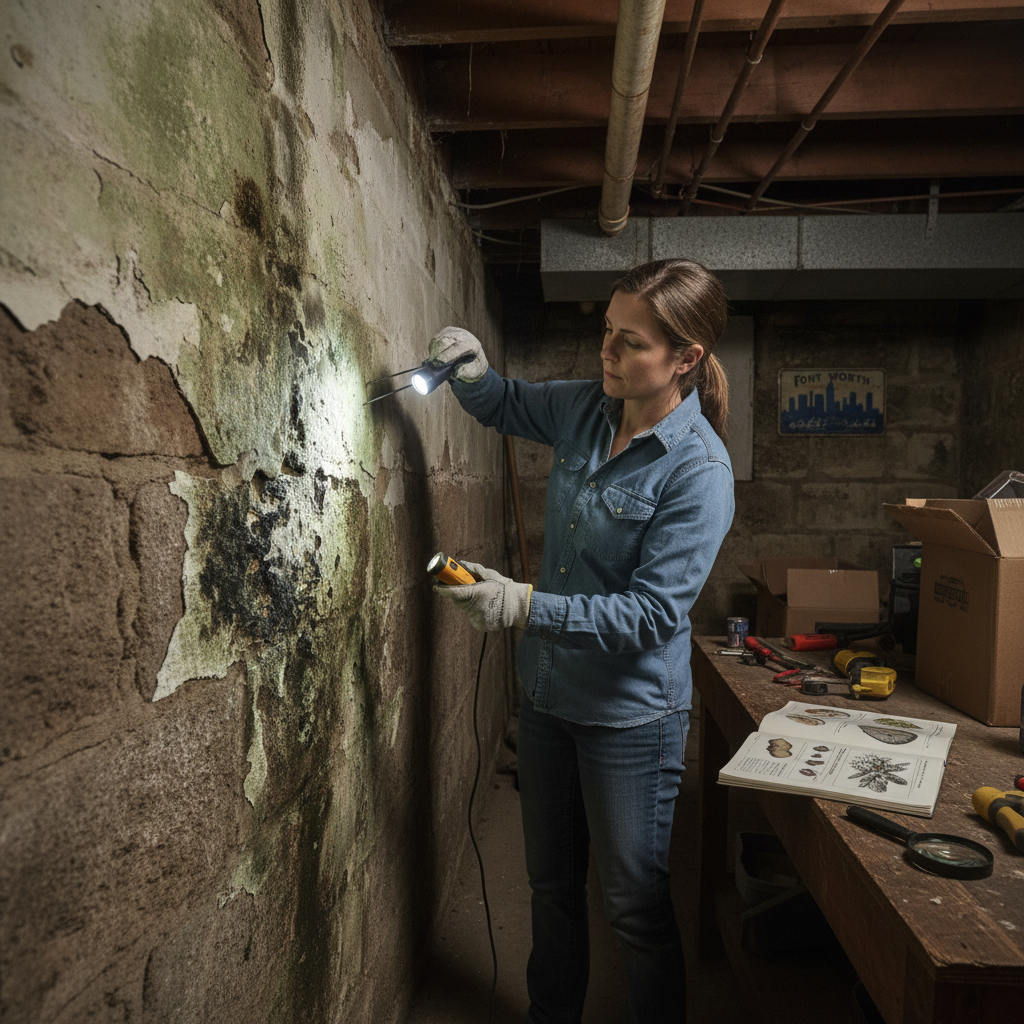
Fort Worth is known for its beautiful older homes, particularly in neighborhoods like the Cultural District and Near Southside. However, these homes can often be more susceptible to mold growth due to age, humidity, and seasonal weather patterns. As an experienced mold remediation professional, I've seen how vital it is for homeowners to understand how to identify mold early to safeguard their health and property.
Mold thrives in environments with high moisture, which is common in Fort Worth due to our humid subtropical climate. With hot summers, mild winters, and the potential for severe thunderstorms during spring, areas like Downtown Fort Worth and the Stockyards often experience plumbing leaks, roof issues, and natural flooding, making mold inspections imperative for older residences.
Common Signs of Mold in Older Homes
When assessing older homes in the Fort Worth area, particularly those constructed before the 1980s, homeowners should be aware of several key indicators of mold. Look for: 1. Visible mold growth: Dark spots on walls, ceilings, or in corners can indicate mold. 2. Musty odors: A persistent musty smell can signify underlying mold even if it’s not visible. 3. Water damage: Stains or discoloration from previous leaks can create favorable conditions for mold to develop. 4. Condensation: Areas with high humidity, such as bathrooms and kitchens, may have condensation, promoting moisture accumulation. 5. Peeling paint or wallpaper: This is often a sign of moisture trapped underneath, which is a breeding ground for mold.
In neighborhoods like TCU and Westcliff, where historic homes are prevalent, the presence of attics and basements can also present unique challenges. Both spaces are known for being prone to moisture due to inadequate ventilation. Attic Mold Removal and Basement Mold Removal are critical services for many homeowners facing issues in these areas.
The Impact of Fort Worth Climate on Mold Growth
Understanding Fort Worth's climate can help homeowners plan for potential mold issues. Our hot, humid summers create ideal conditions for mold, especially in homes with poor ventilation. Moreover, winter can bring freezing temperatures that contribute to plumbing and moisture problems. Heavy rainfall from thunderstorms can lead to flooding, which is a primary contributor to mold growth in affected homes. Homeowners must routinely check their properties, particularly during changing seasons, and focus on areas where water is likely to accumulate, such as near the Trinity River or around landscaped areas of yards.
Regular maintenance, including proper sealing of windows and doors and maintaining gutters, can significantly mitigate water intrusion. Moreover, addressing any existing leaks—whether from the HVAC systems or plumbing—is crucial in preventing mold outbreaks. Local hotspots like the Fort Worth Botanic Garden may serve as a reminder of the importance of maintaining a breathable environment around our homes.
Recommended Actions for Homeowners
For Fort Worth homeowners concerned about mold growth in older homes, here are some recommended actions: - Conduct routine inspections, particularly after heavy rain or extreme weather events. - Ensure adequate ventilation in high-moisture areas such as bathrooms and kitchens. - Use dehumidifiers in basements to control humidity levels. - If mold is suspected, consider a professional Mold Inspection to assess the extent of the problem. - Act quickly—remediation should be addressed immediately as mold can lead to health issues, including respiratory problems and allergies.
As the owner of Fort Worth Mold Removal, I, Brandon Hayes, emphasize the importance of being proactive. Our team is licensed and insured, ready to assist with comprehensive Mold Remediation to safeguard your home and health. Don't let mold become a lingering issue in your beloved Fort Worth home.