
Mold Removal Tips
How to Prevent Mold Growth in Fort Worth Homes During Humid Summers
Published 2026-09-08 · By Brandon Hayes, Fort Worth Mold Removal
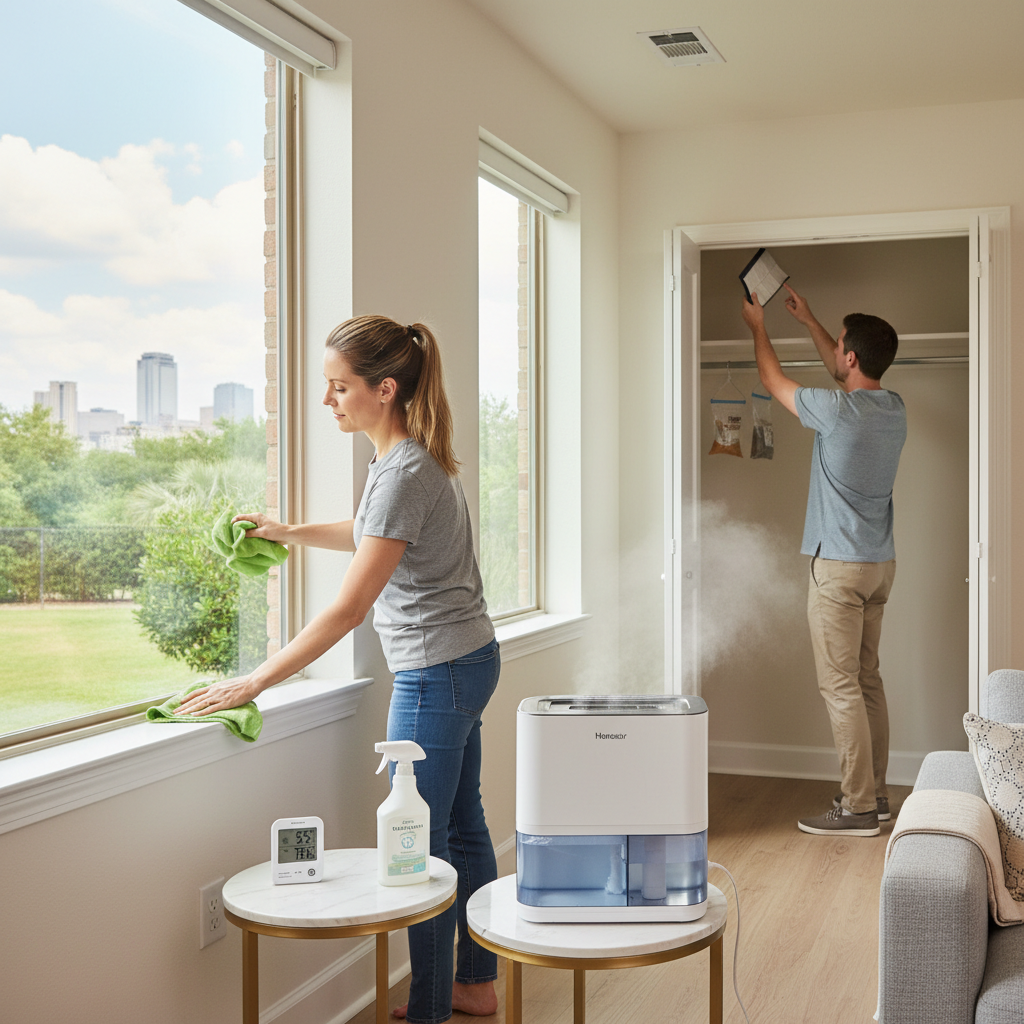
Fort Worth's humid subtropical climate brings hot, muggy summers that can create the perfect breeding ground for mold. With the average summer temperatures often exceeding 90°F and high humidity levels, it’s no wonder that many homeowners find themselves battling mold growth. Whether you live in neighborhoods like Downtown Fort Worth or the Cultural District, understanding how to prevent mold is crucial for maintaining a healthy home.
As a local expert in Mold Remediation, I, Brandon Hayes, have seen firsthand how the weather and the unique conditions in Fort Worth can lead to serious mold issues. From aging homes in the Near Southside to newer constructions in Clearfork, no home is safe without proper mitigation practices. Let's explore some effective strategies to prevent mold growth this summer.
Understanding Mold Growth in Fort Worth
Mold thrives in warm, moist environments, making Fort Worth's summer conditions particularly conducive to its growth. Here’s how weather factors contribute to mold issues: - High Humidity: With average humidity levels above 70% during summer, moisture remains trapped in various nooks of your home. - Summer Storms: Severe thunderstorms, commonly seen during the spring and summer, often lead to flooding and water leaks, creating moisture that can result in mold. - Aging Infrastructure: Many homes in historic neighborhoods like the Stockyards or TCU and Westcliff may have older roofs and plumbing systems, increasing the risk of leaks and condensation. Though you can’t change the weather, there are several preventive measures you can take to protect your home from mold.
Top Strategies for Mold Prevention
1. Regular Inspections: Check for leaks in basements, attics, and around plumbing fixtures. Consider scheduling a Mold Inspection if you suspect issues. 2. Ventilation: Ensure proper ventilation in areas prone to moisture, such as bathrooms and kitchens. Using exhaust fans can drastically reduce humidity levels. 3. Heating and Cooling: Maintain your HVAC system by replacing filters regularly and keeping air conditioning units in good shape to help control indoor humidity. 4. Moisture Control: Use a dehumidifier in particularly damp areas to keep humidity below 60%. 5. Waterproofing: Consider waterproofing your basement and sealing any cracks in walls or foundations to prevent moisture intrusion. 6. Clean Regularly: Keep areas like bathrooms clean and dry; a simple solution of water and vinegar can help prevent mold growth on tiles and grout.
Taking these steps can significantly reduce your risk of mold growth, preserving your home’s integrity and your family's health.
When to Call the Professionals
If you do encounter mold in your home, it's critical to act quickly. While there are DIY methods, sometimes mold can be hiding in places you can’t see, especially in older homes around Fort Worth. Reach out to a professional for mold removal. Our team at Fort Worth Mold Removal specializes in eliminating mold issues for homes across Tarrant County, including Arlington, Burleson, and North Richland Hills. We are licensed and insured to handle everything from Black Mold Removal to Attic Mold Removal. Don’t wait until it’s too late; preventing mold is far easier than removing it once it’s established.
By incorporating these strategies and being proactive, you can effectively prevent mold growth in your Fort Worth home during the humid summer months. Should you need expert assistance, don’t hesitate to reach out to Fort Worth Mold Removal.